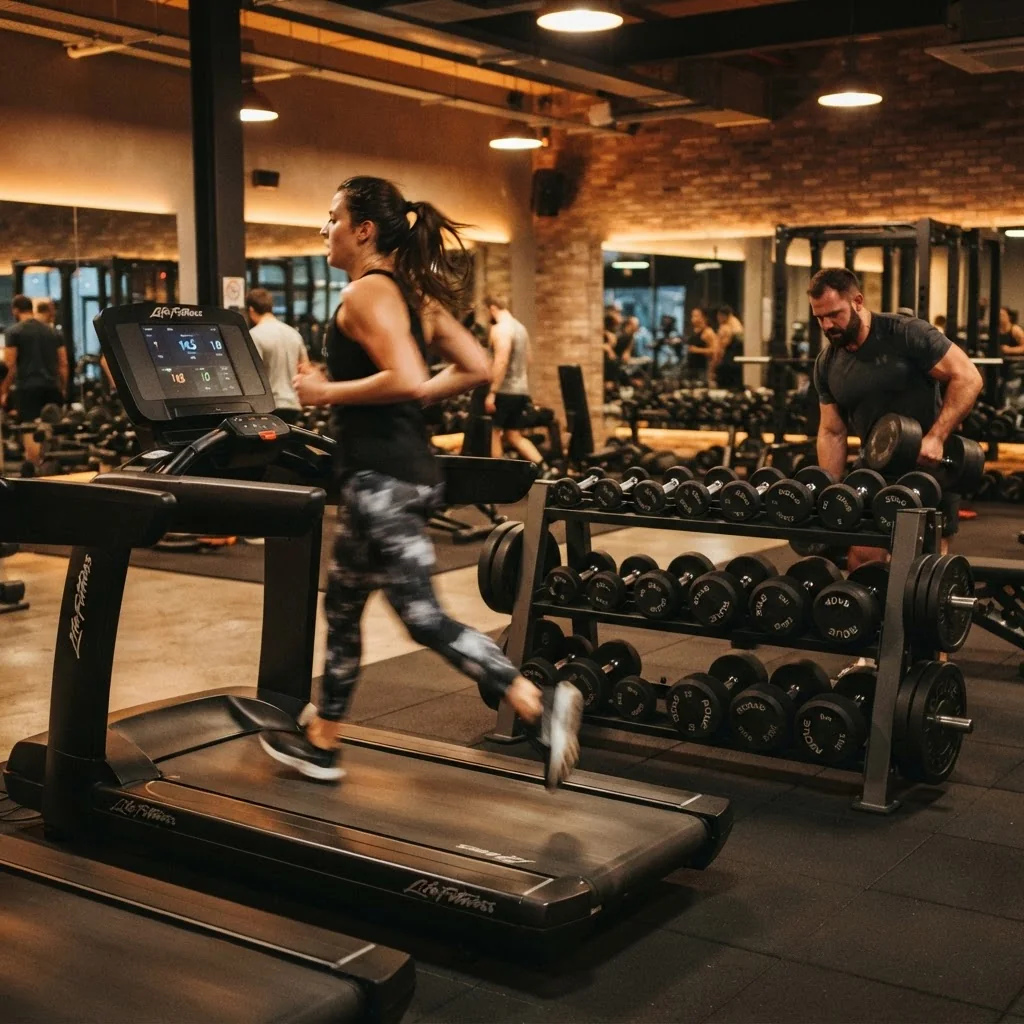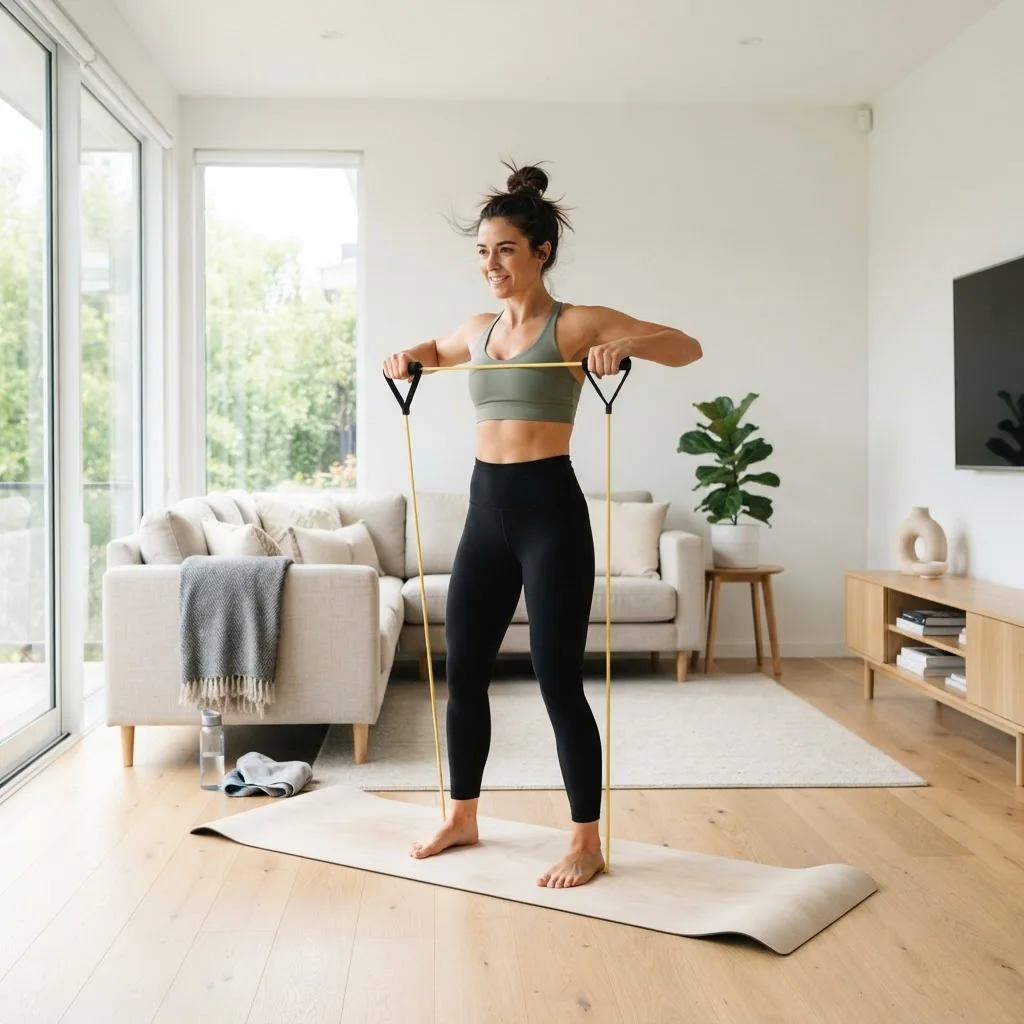
Building muscle is not only about lifting heavy weights. Progressive training, sufficient protein, quality sleep and good technique must work together. Compound exercises should form the core of your routine because they train several muscle groups at once.
1. Squat
The squat trains the legs, glutes and core. Stand around shoulder width, keep your chest lifted and let your knees follow the direction of your toes. Increase depth only while you can maintain control.
2. Deadlift
The deadlift strengthens the posterior chain. Keep the bar close, avoid rounding your lower back and drive the movement from your hips. Beginners should learn the pattern with light loads.
3. Bench Press
The bench press develops the chest, shoulders and triceps. Set your shoulder blades, keep your feet planted and lower the bar under control. Avoiding an excessively wide elbow position can improve shoulder comfort.
4. Pull-up
Pull-ups improve back width and grip strength. Use a resistance band or assisted machine if you cannot complete full repetitions. Reduce assistance gradually as you improve.
5. Overhead Press
The overhead press trains the shoulders and core. Brace your glutes and abdomen, then press without overextending your lower back.
Sample structure
Perform three or four of these movements twice per week. Three to four sets of 6-12 repetitions is a practical starting point. Add weight only when technique remains consistent.
FitLife content is educational and does not replace individualized medical or professional advice.
Spread the movements across the week
You do not need to place all five movements in one session. Splitting them across two full-body days makes it easier to maintain technique and recover. Improve control first, then increase the load.
- Make warm-up and cool-down part of the plan.
- Record load, repetitions, duration or energy levels.
- Stop rather than forcing a movement that causes sharp pain.
How can you track progress?
Review progress every two to four weeks under similar conditions. Look beyond body weight and consider technique, training loads, energy levels and consistency. The overall trend is more useful than one unusually good or bad day.