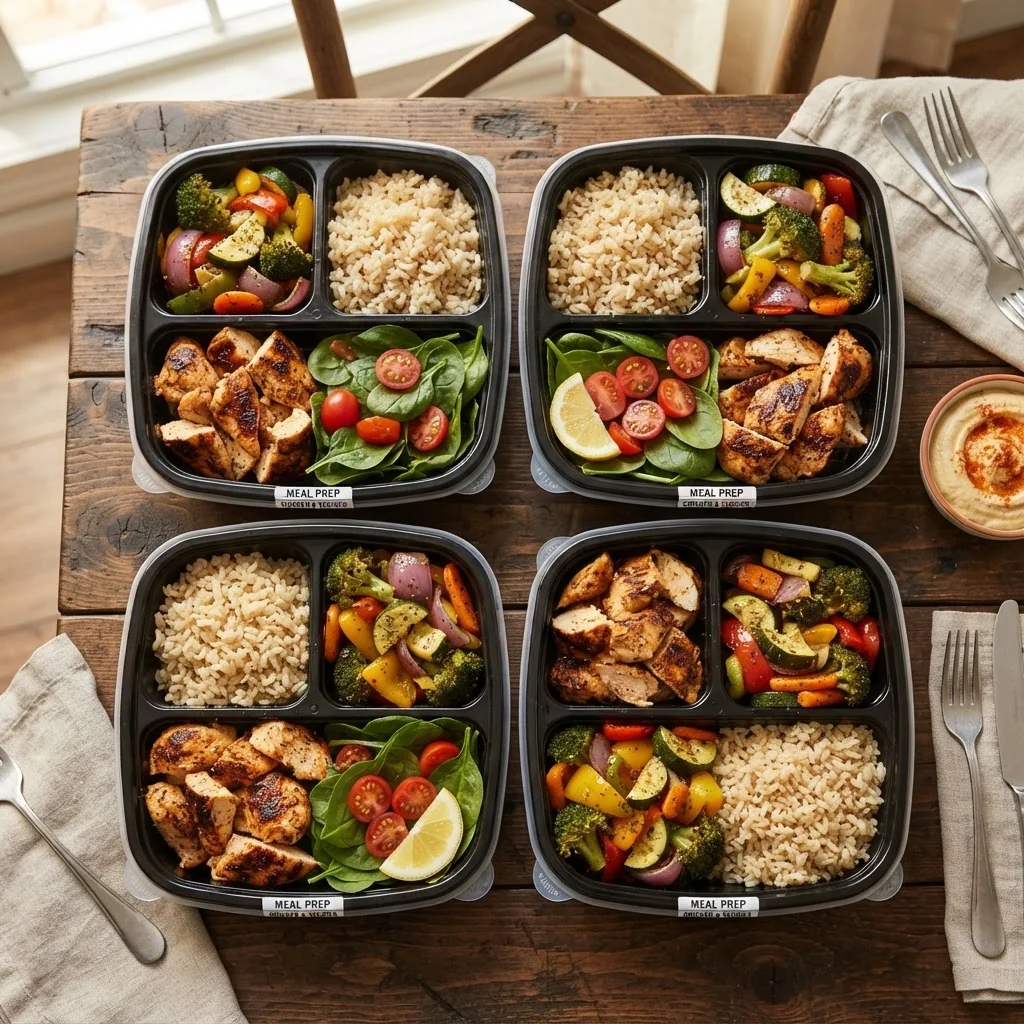
Even the best training plan cannot compensate for inadequate nutrition. Energy needs change according to your goal, training volume, age and body composition.
Protein intake
Protein supports muscle repair. Spreading intake across meals is usually more practical than consuming a very large amount at once. Eggs, yogurt, fish, poultry and legumes are useful choices.
Carbohydrate timing
Carbohydrates are a major training fuel. Oats, rice, potatoes, fruit and whole grains provide flexible options. Intake can increase on demanding training days.
Healthy fats
Olive oil, avocado, nuts and seeds support hormone production and general health. Completely removing fat is rarely sustainable.
Before and after training
A digestible meal containing carbohydrates and protein one to three hours before training can support performance. Afterwards, a balanced meal with protein, carbohydrates and fluids supports recovery.
Hydration and electrolytes
Drink water consistently throughout the day. Long or very sweaty sessions may increase the need for sodium and other electrolytes.
A sustainable approach
Aim for a repeatable routine rather than a perfect menu. Review progress weekly and consult a dietitian when you need an individual plan.
FitLife content is educational and does not replace individualized medical or professional advice.
Make nutrition fit daily life
Build a sustainable plate structure instead of calculating every meal perfectly. A balance of protein, carbohydrates, fruit or vegetables and suitable fats helps you stay consistent on busy days.
- Make warm-up and cool-down part of the plan.
- Record load, repetitions, duration or energy levels.
- Stop rather than forcing a movement that causes sharp pain.
How can you track progress?
Review progress every two to four weeks under similar conditions. Look beyond body weight and consider technique, training loads, energy levels and consistency. The overall trend is more useful than one unusually good or bad day.